The Impact of Subtropical Pests on Local Shade Trees
The Sunshine Coast is known for its leafy streetscapes, backyard canopies and coastal bushland. Those same warm, humid conditions that make the region so green also suit a wide range of insect pests and tree diseases. For homeowners, body corporates and property managers, understanding how subtropical pests affect shade trees is one of the most practical steps toward protecting both tree health and property value in 2026.
Why the Sunshine Coast Is Prone to Tree Pests
Mild winters, high summer humidity and regular rainfall allow many pest species to breed for much of the year. In cooler regions, winter frosts naturally reduce insect numbers. On the Sunshine Coast, that seasonal reset is limited, so populations of sap-suckers, borers and leaf-feeders can build quickly and overlap across generations.
Several other local factors add pressure to shade trees:
- Sandy and compacted soils: Coastal sands drain quickly and hold few nutrients, while construction-compacted soils restrict root growth. Both leave trees stressed and more attractive to pests.
- Storm damage: Summer storms and ex-tropical cyclone weather can tear limbs and strip bark, creating entry points for borers and fungal pathogens.
- Salt-laden winds: Trees close to the coast often suffer leaf scorch and reduced vigour, which lowers their natural defences.
- Mixed plantings: Native and exotic species growing side by side can host a broad range of pests that move between plants.
Common Subtropical Pests Affecting Shade Trees
Scale Insects and Sap-Suckers
Scale insects, mealybugs, psyllids and aphids feed on sap and weaken new growth. A key warning sign is sooty mould, a black coating that grows on the sticky honeydew these insects excrete. While the mould itself does not infect the tree, it blocks sunlight from leaves and reduces photosynthesis. Heavy infestations can cause leaf yellowing, premature leaf drop and dieback in branch tips. Figs, camphor laurels, frangipanis, mangoes and many ornamental species are regularly affected.
Wood Borers and Longhorn Beetles
Borers target trees that are already stressed, damaged or declining. Their larvae tunnel beneath the bark and into the wood, disrupting the flow of water and nutrients. Signs include small exit holes, fine sawdust-like frass at the base of the trunk or in branch forks, and sudden branch dieback. Because borer damage can compromise structural integrity, an affected tree may become a safety risk long before it looks dead.
Termites
Subtropical termites are active across the Sunshine Coast and can attack living trees as well as stumps, fallen timber and mulch. Some species hollow out the heartwood of mature trees while the outer layers still look healthy and the canopy appears green. This hidden decay can significantly reduce a tree's strength, particularly in large shade trees growing near homes, https://rafaelfdsy952.lumenforgex.com/posts/what-can-you-plant-after-stump-grinding-in-your-garden driveways and play areas. Termite activity in a tree close to a building should also prompt a check of the property itself.
Leaf-Eating Caterpillars and Beetles
Various caterpillars, leaf beetles and sawfly larvae chew foliage, especially during warm, wet periods when new growth flushes. Healthy established trees can usually tolerate moderate defoliation, but repeated attacks in successive seasons drain energy reserves. Young or recently transplanted trees are far more vulnerable.
Fungal Diseases That Follow Pests
Pests rarely work alone. Wounds from borers and storm damage allow decay fungi to colonise timber, while moist conditions encourage leaf spots, root rots and cankers. Phytophthora root rot in particular thrives in warm, waterlogged soil and can cause sudden decline in susceptible species.
How Pests Affect Tree Health and Safety
The impact of pests goes beyond appearance. Over time, infestations can lead to:
- Reduced canopy density and less effective shade for your home and garden.
- Weakened structure, increasing the chance of limb failure during storms.
- Higher vulnerability to secondary problems such as fungal decay and further insect attack.
- Spread to nearby plants, including other trees, hedges and garden beds.
- Costly removal if the tree declines to the point where it can no longer be saved safely.
On residential blocks, a failing shade tree can threaten roofs, fences, vehicles and people. This makes early identification and professional assessment especially valuable.
Early Warning Signs to Watch For
Regular visual checks, ideally every few weeks during the warmer months, help catch problems early. Look for:
- Black, sooty coatings or sticky residue on leaves and surfaces beneath the tree
- Thinning foliage, yellowing leaves or dead branch tips
- Small holes, cracks or oozing sap on the trunk and branches
- Fine sawdust or frass collecting at the base or in branch junctions
- Mud-like termite galleries running up the trunk
- Mushrooms or bracket fungi growing from the base or roots
- Unusual leaf curling, spotting or distortion
Practical Steps to Protect Your Shade Trees
Maintain Good Tree Health
A vigorous tree is the best defence. Mulch the root zone with 5 to 10 centimetres of organic mulch, keeping it clear of the trunk. Water deeply during dry spells rather than giving frequent light sprinklings, and avoid overwatering in poorly drained spots. Where soil is poor, a slow-release fertiliser suited to the species can support growth.
Prune Correctly
Remove dead, damaged and crossing branches using clean, sharp tools and proper pruning cuts. Avoid heavy topping or excessive pruning, which creates large wounds and stimulates weak regrowth that pests find appealing. Pruning after storms to tidy torn limbs helps reduce entry points for borers and decay fungi.
Use Targeted Treatments
Treatment depends on the pest. Horticultural oils and soaps can control some scale and sap-sucking insects, while systemic options may be appropriate for certain infestations. Broad-spectrum sprays can harm beneficial insects such as ladybirds, lacewings and parasitic wasps, which naturally keep pest numbers down. Always follow label directions and Australian regulations, and consider professional advice before treating large trees.
Choose Suitable Species
When planting new shade trees, select species well adapted to local conditions and appropriate for the available space. Native species suited to Sunshine Coast soils and climate often cope better with local pressures, though no tree is completely pest-proof. Planting a diverse mix of species also reduces the risk of one pest or disease affecting an entire landscape.
Biosecurity and Local Responsibilities
Queensland has a strong biosecurity framework, and certain pests and diseases must be reported. If you notice something unusual, such as an unfamiliar insect or a sudden, unexplained dieback, report it to Biosecurity Queensland. Early reporting helps protect urban canopies and local industries. Also be mindful when disposing of green waste: infested material should be handled and disposed of properly rather than moved between properties.


Local council rules on tree protection, vegetation management and permitted works also apply in many parts of the Sunshine Coast. Before removing or heavily pruning a large tree, check whether it is protected under local laws or a vegetation overlay, as penalties can apply for unauthorised works.
When to Call a Professional Arborist
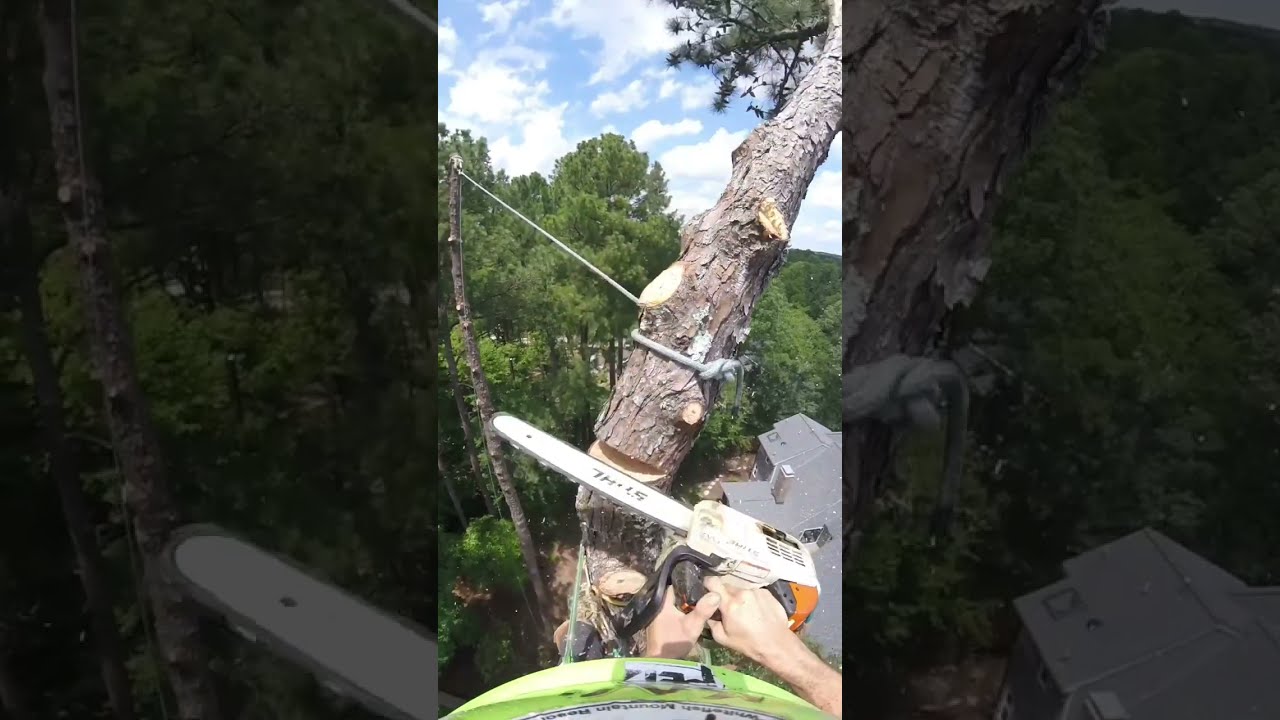
Some problems are manageable with good care, but others need expert diagnosis. Contact a qualified arborist if you notice:
- Hollow sections, large cavities or advancing decay
- Significant dieback across the canopy
- Evidence of termites or borers in a large tree near buildings
- Cracks, leaning or root heave following storm activity
- Uncertainty about which pest or disease is involved
A professional assessment can identify the cause, determine whether the tree can be saved, and recommend the safest, most cost-effective course of action. This may include targeted treatment, corrective pruning, cabling or bracing, or, where risk is too high, safe removal and replacement planting.
Protecting the Sunshine Coast Canopy for 2027 and Beyond
Warm, humid conditions will continue to favour subtropical pests, so proactive care is more important than ever. Healthy shade trees cool homes, reduce energy use, support wildlife and enhance property appeal. By monitoring regularly, maintaining good growing conditions and seeking qualified advice early, Sunshine Coast property owners can keep their trees strong and safe well into 2027 and the years ahead.
If you are concerned about pest damage in your trees, a prompt inspection by a local arborist is a small investment that can prevent far larger costs and risks down the track.
Sunshine Coast Tree Removal Experts
Unit 5/12 Kelly Ct, Buderim QLD 4556
(07) 4144 9008